
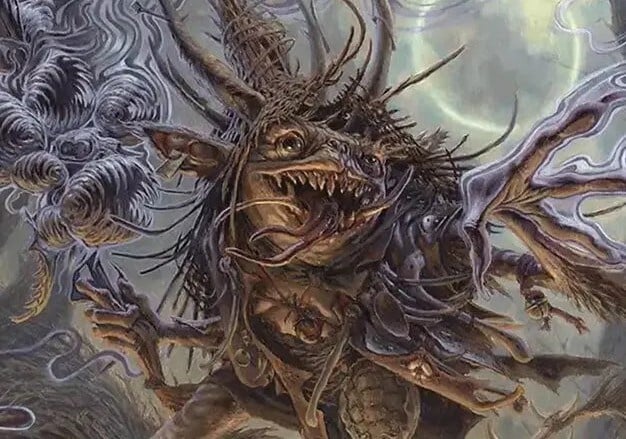

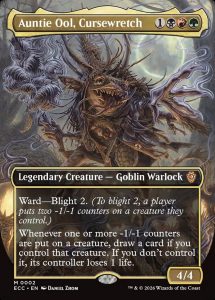
Most -1/-1 counter decks try to wipe the board quickly, but Auntie Ool, Cursewretch plays a different game. She’s about turning counters into value. Every time -1/-1 counters show up, someone pays. If it’s your creature, you draw a card. If it’s theirs, they take a chip damage.
Her Ward Blight 2 ability pushes that idea even further. Targeting Auntie Ool means the opponent has to place counters on their own creature first, and that matters more than people expect. Blight can kill small utility creatures, and most importantly it keeps feeding the same engine you’re building around.
That’s the real mindset shift with this commander: -1/-1 counters aren’t just a part of your deck mechanic, they’re your economy. Every counter is value, pressure, or both. Once the table understands that, the game starts to revolve around your board whether they want it to or not.
Jump to:
- You’re a -1/-1 Counter Conversion Deck
- Play Styles
- Build Mistakes
- Win conditions
- Risk, weaknesses, and counterplay
- Final thoughts
The Card at a Glance
Auntie Ool, Cursewretch
Mana Cost: {1}{B}{R}{G}
Type: Legendary Creature – Goblin Warlock
Text:
– Ward – blight 2.
– Whenever one or more -1/-1 counters are put on creature, draw a card if you control that creature. If you don’t control it, its controller loses 1 life.
You’re a -1/-1 Counter Conversion Deck.
The biggest mindset when playing Auntie Ool is you are not trying to “slowly shrink things.” You’re trying to convert counters into cards, damage, tokens, and eventually win the game.
You care less about how big the -1/-1 numbers get, and more about:
- How often you can create a counter event?
- How reliably you can profit from putting counters on your own stuff without losing board presence,
- How well you can weaponize the table’s fear? Once players realize every -1 counter they put is feeding your value, they will start to play against you.
Auntie Ool plays best when you build the deck like a midrange engine list: lots of pieces that incidentally place -1/-1 counters, and a few cards that turn “counter spam” into your wincons.
Play Styles
There are a lot of cards which synergy with Auntie Ool, below are my favorite.
1) -1/-1 counter production
Soul Snuffers is one of the best cards with Auntie Ool. It efficiently put -1/-1 counters to all creatures, and maximizing Auntie’s trigger ability while reshaping the board into your favor.
It triggers life gain, create tokens, card advantages or any other effects based on your build. Even a small numbers of creatures on the battlefield can gain an extremely good value from Soul Snuffers, fantastic tempo for a 3 mana creature.
Noxious Hatchling less explosive, but more incremental. It let you draw a card when enter with battlefield, and Noxious Hatchling is a safe place for you to drop all your -1/-1 counters for value.
Once the counters are on the table, that’s when things get oppressive, with proliferate.
Soul Snuffers is already an explosive burst, you can make it worst (for your opponents) with proliferate by expands your pressure across the table by pushing creatures toward death without casting more spells. Creatures/tokens deck become irrelevant, opponents start losing life, and you draw into your next answer and wincons. You do not need to overwhelm the table, just need to establish counters early, and let the math do the work. Once the -1/-1 counters start multiplying, your opponent will start thinking about survival.
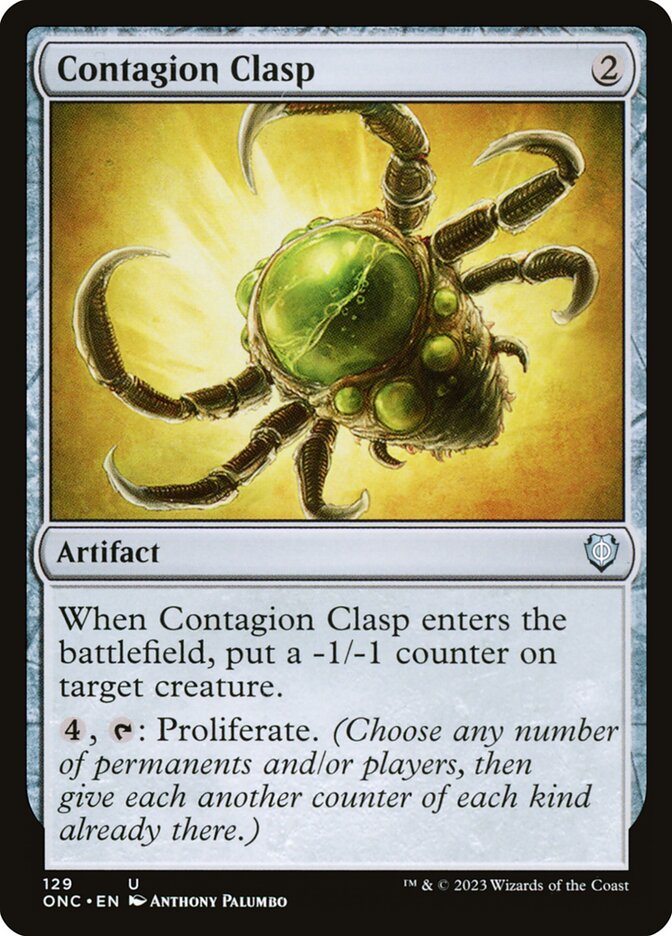
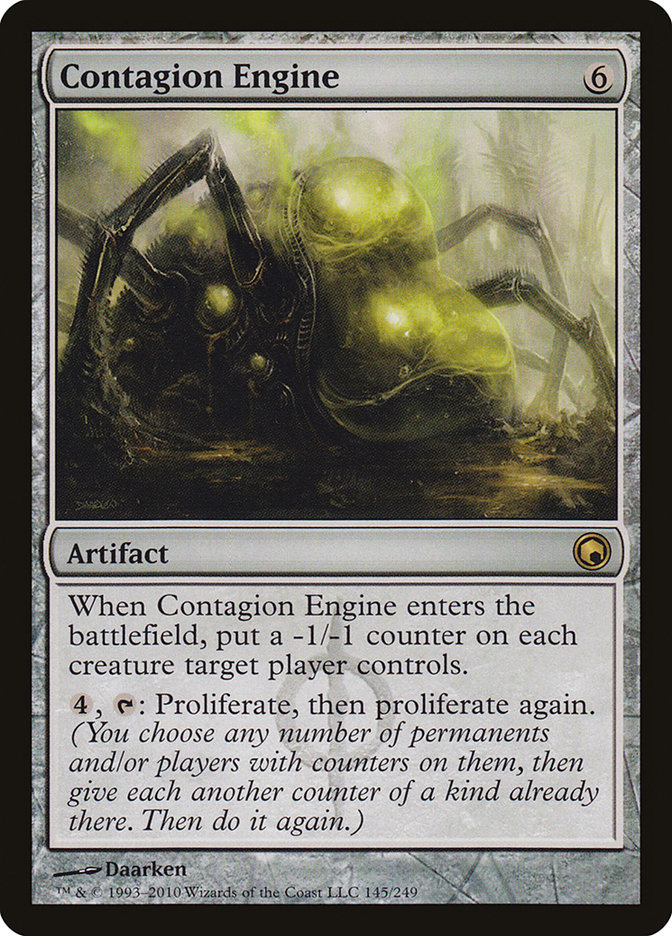
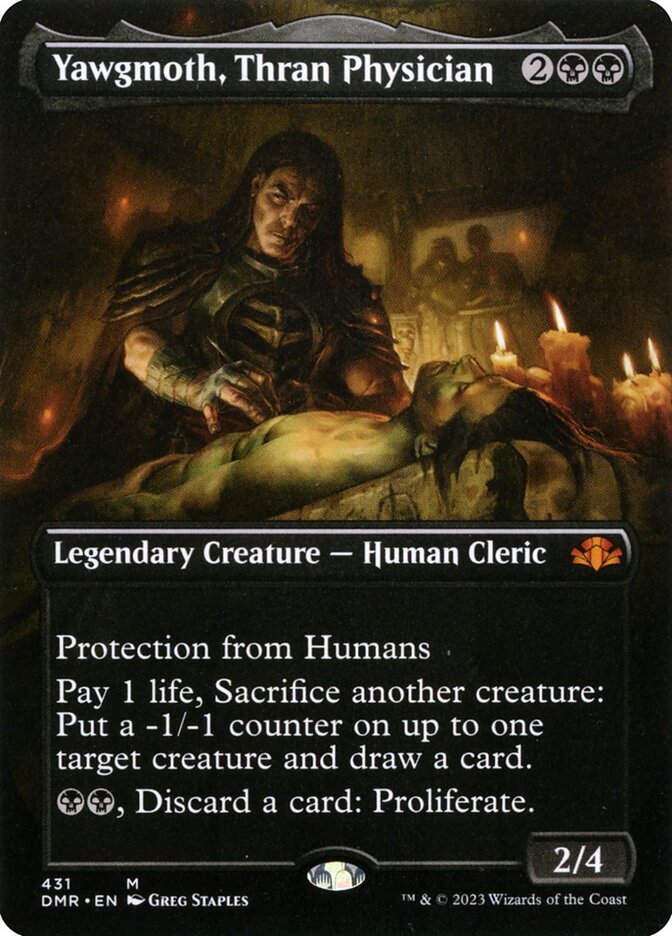
Cards like Contagion Clasp, Contagion Engine, Karn’s Bastion, and Yawgmoth, Thran Physician are some of the best option for Auntie Ool, they keep counters moving and pressure steady.
Obelisk Spider speed things up by slowly draining your opponents while padding your life total at the same time. This might look minor, but in just a few turns, those add up and make you harder to kill.
Dread Tiller is a staple if you bring number of fetch lands with you. It effectively ramping your mana while also thinning your deck over time. Skip him if your fetch land count is low.
Side note, I’ve always like the idea of deck thinning. Others might said it’s irrelevant especially in cEDH, but I still love the math and probability behind it. might writing a full article on this topic someday.
2) Take things slow. Own survival plan
I tend to enjoy the long game. Winning is not the only thing i care about, what I enjoy more is playing the cards right, trying different lines, and watching how spells and interactions across the board.
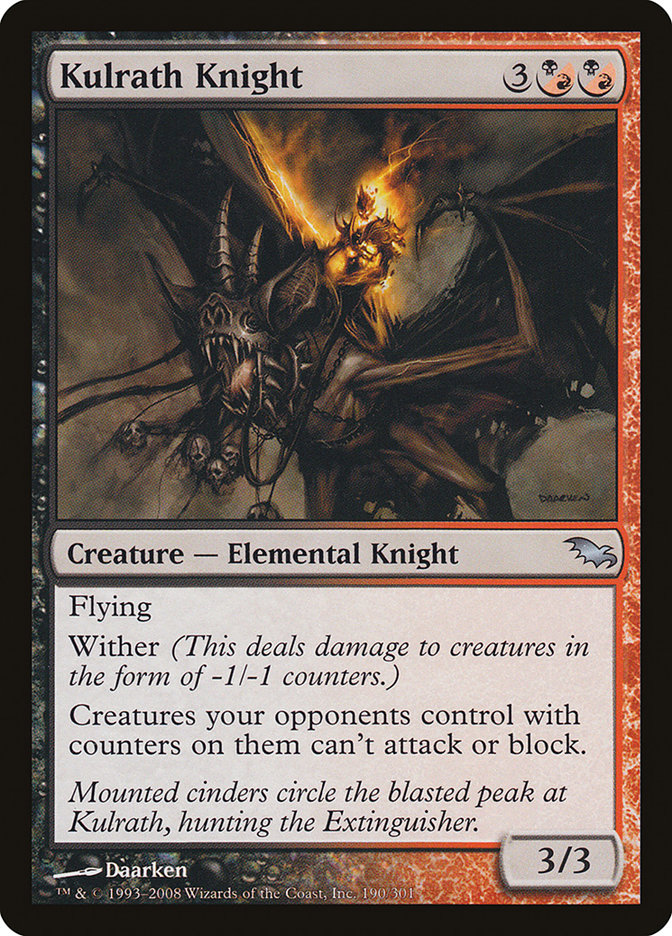
Kulrath Knight is excellent choice for slowing the game, it turns counters into a kind of soft lock, making it difficult for opponent to attack or block effectively. It does buy you time, just be aware that once he lands, player often recognize how annoying it is and may decide to eliminate you first.
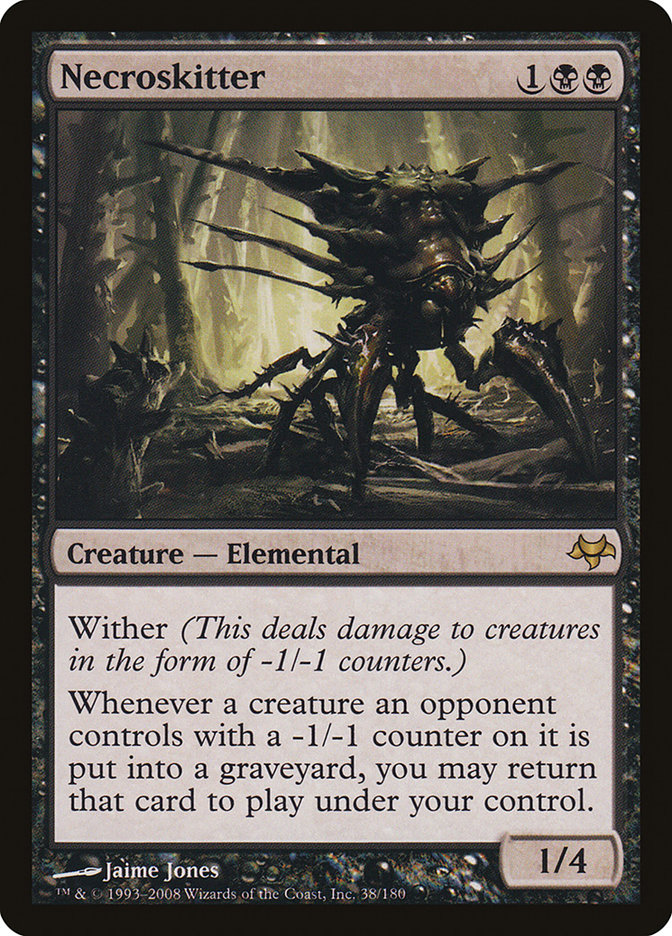
Necroskitter, once it’s in the play, opponents’ creatures suddenly becomes a liability. Once they die due to combat, removal or even board wipe, it joins your side instead. This threat forces your opponents to think twice before cast more creatures.
Kulrath Knight freezes the board, locking creatures out of fight;
Necroskitter steals the board, turning every death into you might.
Token generation serves as a secondary engine in Auntie Ool’s deck. Relying entirely on -1/-1 counters and proliferate isn’t always enough to close out a game, certain cards can totally shut down that plan completely (we’ll talk about those later). Because of that, the deck benefits from having some flexibility. Creating a swarm of tokens becomes your Plan B.
Thankfully, cards like Nest of Scarabs, Flourishing Defenses, and Hapatra, Vizier of Poisons make building that token army surprising easy.
3) Removal
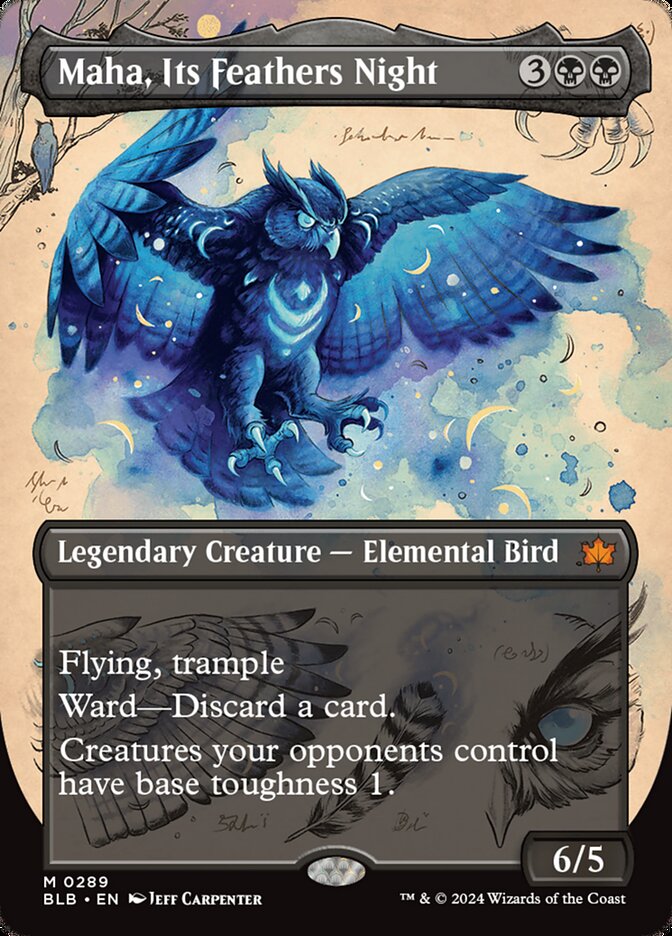
Maha, Its Feathers Night adds another layer of pressure to the board. We’ve already talked about how this deck spreads -1/-1 counters across the board, Maha make sure those weakened creatures don’t stick around for too long. And if Necroskitter happens to be on the battlefields, those dying creatures may end up switching sides entirely.
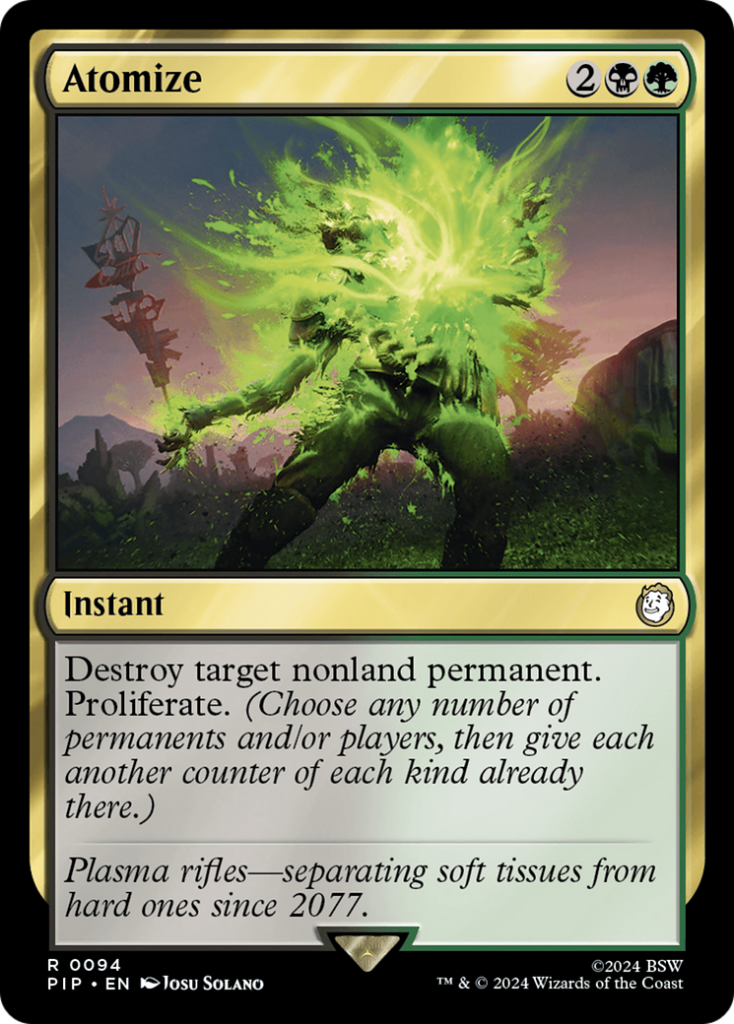
Atomize fits nicely into the deck because it does more than just remove a threat, it also helps trigger or support the rest of your counter synergies at the same time.
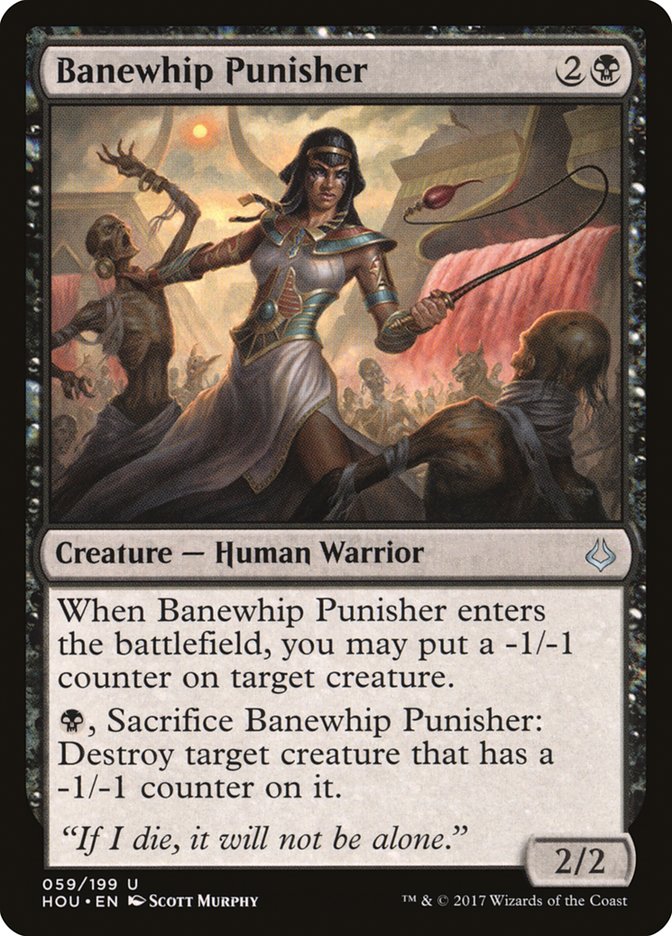
Banewhip Punisher is another flexible card in the deck. When it ETB, you get to choose either drawing a card or placing -1/-1 counter on opponent creatures, mark them as a threat and removal when the time is right.
Removal shouldn’t be just about answering threats. Since the strategy revolves around -1/-1 counters, proliferate, and token generation, it makes more sense to choose removal spells that do more than simply destroy a creature.
4) Ramp
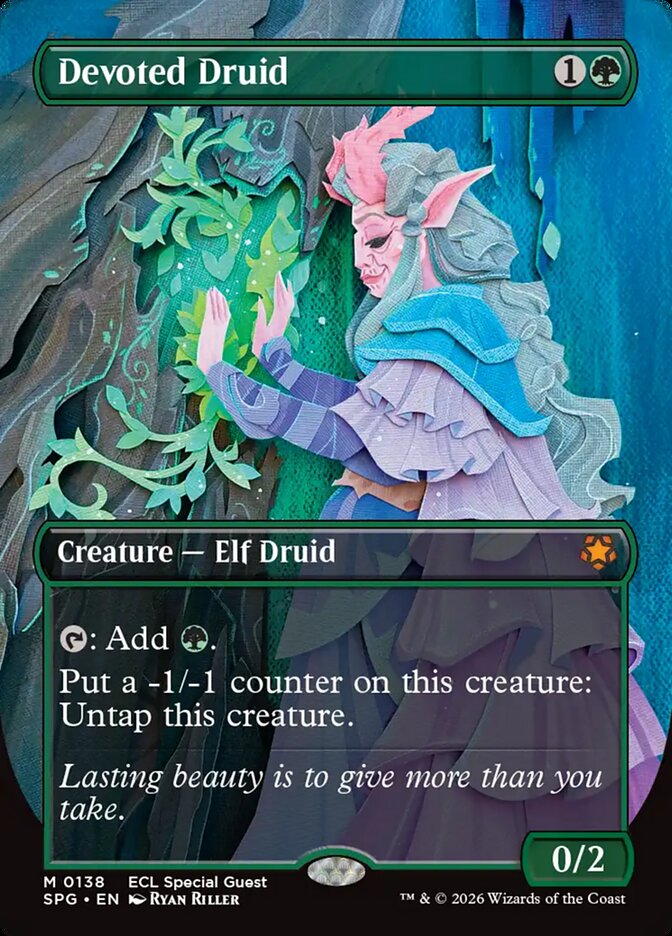
Devoted Druid becomes even better with Auntie Ool on the battlefield. Every time you place a -1/-1 counter on it to untap, you’re not just generating additional mana, you’re also triggering Auntie Ool’s ability to draw a card.
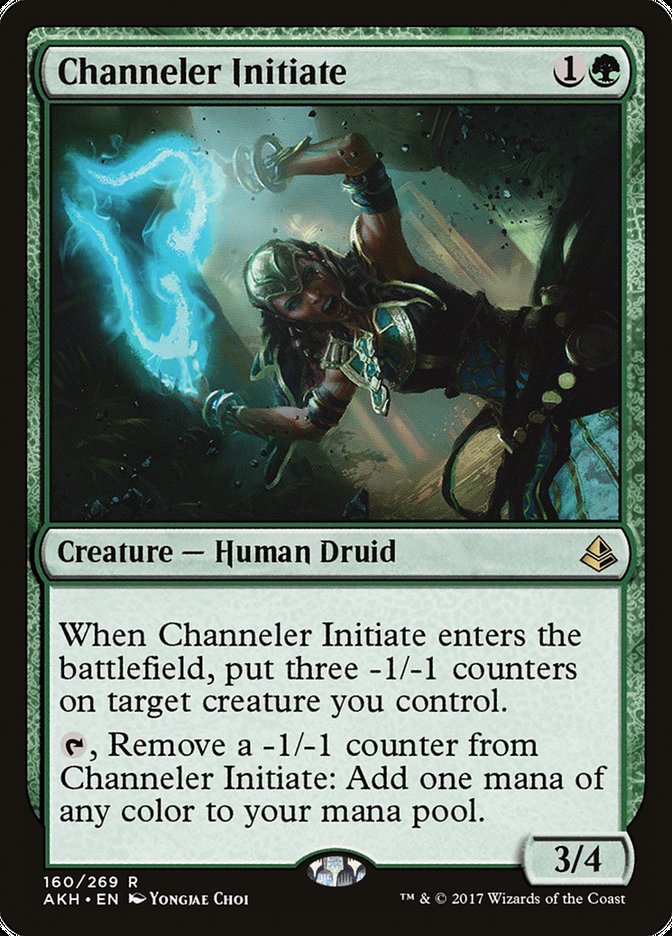
Channeler Initiate works nicely with Auntie Ool as well, letting you draw a card as it enters the battlefield. Together, Devoted Druid and Channeler Initiate do more than just provide ramp, they also generate card advantage while advancing the deck’s counter-based strategy.
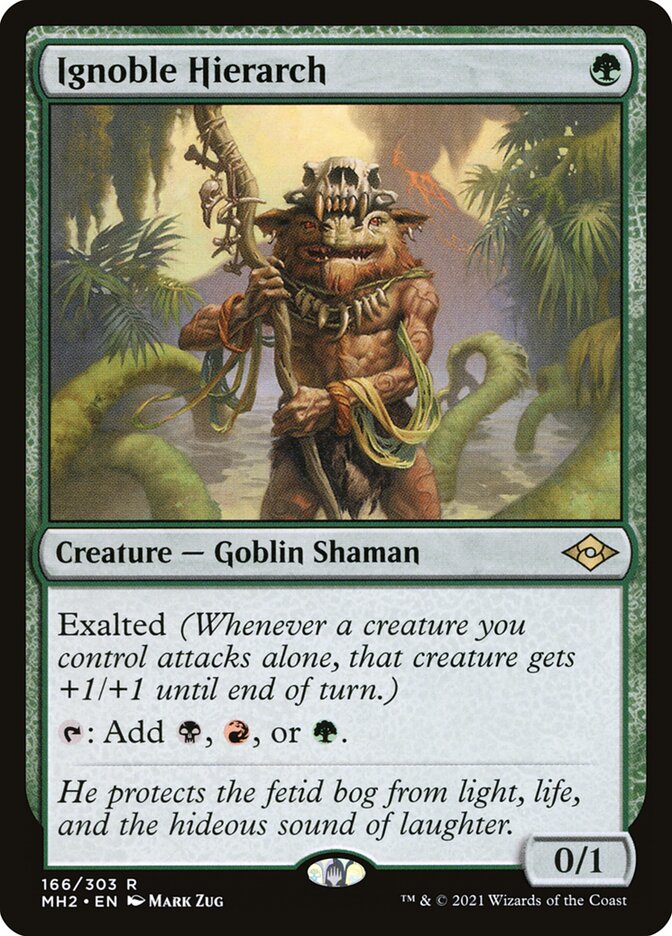
Ignoble Hierarch may not interact directly with the -1/-1 counter engine, but access to 3 colors of mana on turn one helps smooth out the deck’s early game and accelerates your setup.
Build Mistakes
1) Treating -1/-1 counters as removal instead of a trigger system.
Yes, Auntie Ool is a deck that build around -1/-1 counter, but in this deck they not only to shrink or kill creatures, they function more like a trigger engine. If your cards don’t consistently trigger Auntie Ool’s abilities, the deck can easily feel like it’s doing very little.
2) Over-marking your own board without a plan.
Drawing cards is one of the best things you can do in any game, but if you’re weakening your own creatures faster than you can benefit from them, you’re not actually gaining an advantage. Without proper support or follow-up plays, you might slowly killing your own board while everyone else continues to develop theirs.
3) Too many synergies, too less removal.
Auntie Ool makes your opponents uncomfortable, which means your permanent often attract removal. If your deck is filled with a lot of clever synergies, but lacks way to answer threats or protect your important engines, it can quickly fall apart. A few well-chosen interaction spells go a long way in keep the strategy functional.
Win conditions
Wickerbough’s Tools serves as both ramp and win condition in the deck. Since Auntie Ool decks naturally place -1/-1 counters across the battlefield and often proliferate them. As the counters accumulate, Wickerboungh’s Tools slowly grows into powerful resource artifact and eventually help you close the game.
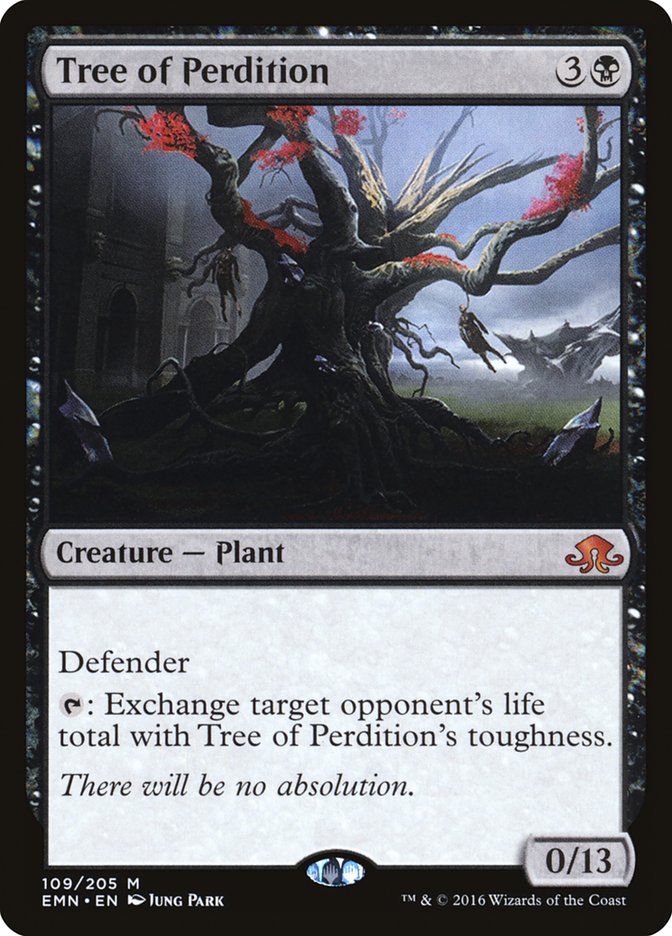
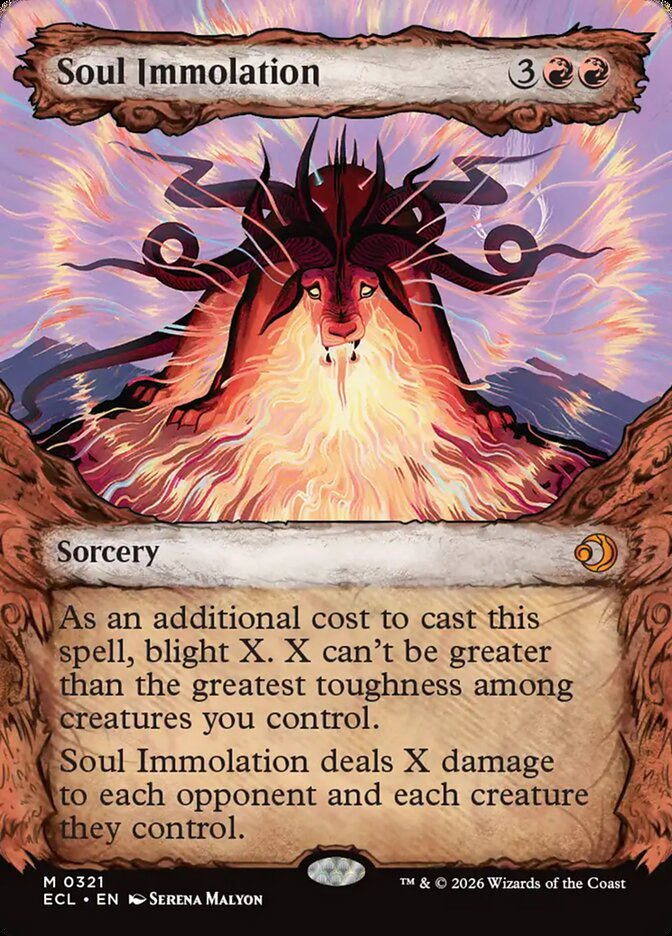
Tree of Perdition + Soul Imolation is another strong wincon. Tree of Perdition can set an opponent’s life total to 13 by exchanging it with the its’ toughness. After that, Soul Imolation lets you sacrifice (by blight) the Tree and deal damage equal to its power to each opponent and each creature. It’s a simple two-card interaction that fits nicely into the deck. The main things to watch out is opponents countering your Soul Imolation. So having something like Hexing Squelcher ready as protection is a good idea.
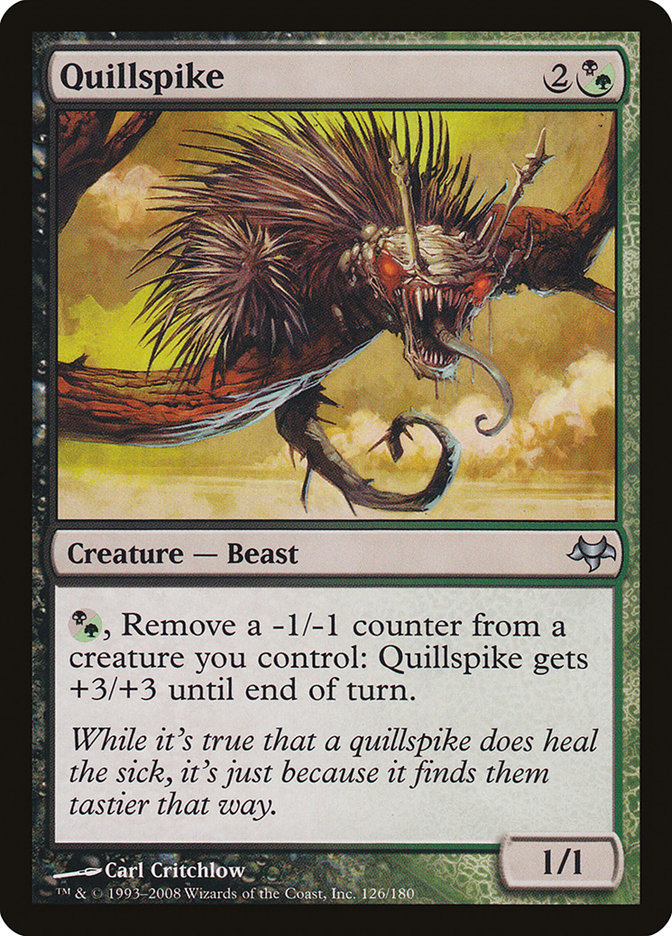
Devoted Druid + Quillspike is another strong interaction the deck can use to finish the game. Devoted Druid place a -1/-1 counter on itself to untap, while Quillspike remove that counter to give itself +3/+3, eventually big enough to take someone out with 1 swing. In this deck, the combo becomes even better because every time you place a -1/-1 counter on Devoted Druid, Auntie Ool’s ability also triggers and lets you draw a card, turning the loop into both a win condition and a massive card draw engine.
Risk, weaknesses, and counterplay
Your deck has 1 very clear weakness: if -1/-1 counters stop functioning, the whole synergy starts to struggle.
Some of the worst hate pieces include cards like Solemnity, which prevents counters entirely, or creatures such as Melira, Sylvok Outcast and Vizier of Remedies, which interfere with how counters are placed. Cards like Suncleanser can remove the counters you’ve carefully built up, while Aether Snap can wipe them all away in one shot. Even tempo effects like Ephemerate can be frustrating, since blinking a creature essentially resets all the work you’ve done marking it with counters.
Because of this, the deck needs to stay flexible and avoid relying on a single path to victory. The best versions of the deck can still apply pressure through creature combat, lock down the board with pieces like Kulrath Knight, or finish the game through combo interactions.
t’s also important to be careful with your removal. Try to save your interaction for the cards that actually shut down your strategy, rather than using it on random value pieces. Auntie Ool decks that fire off removal too early often lose the moment a Solemnity effect hits the board.
Remember that your key engines will attract a lot of attention. Cards like Yawgmoth rarely stay on the battlefield for long, so don’t expect them to survive multiple turns. Try to get value from them immediately, and be ready to move to another plan if they get removed.
Final thoughts
Auntie Ool is a commander that rewards patience and thoughtful play, she wins by slowly corrupting the battlefield. -1/-1 counters doesn’t just weaken creatures, they help you control the board, token generation, finding your answer through card drawing, and pivot into combo finish when the timing is right. Because of that, every game tends to play out little differently, which keeps this deck engaging and fun to pilot.
I usually play this deck without rushing to end the game, I enjoy longer, more strategic games. Auntie Ool fits that style perfectly, slowly building value over time and rewarding players who are willing to be patient.
The answer was always there.
– draw9;