

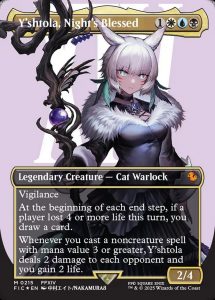
In Final Fantast XIV Y’shtola is known for her mastery of destructive and arcane magic, often standing quietly behind the front lines while shaping the outcome of the fight with precision spells. In EDH, she rewards control playstyle by casting impactful noncreature spells while slowly draining the table.
Jump to:
- Patience Wins Games
- Control / Spell Value
- Draw Engine
- Life Drain / Incremental Damage
- Interaction Spells
- Build mistakes
- Final Thoughts
The Card at a Glance
Y’shtola, Night’s Blessed
Mana Cost: {1}{W}{U}{B}
Type: Legendary Creature – Cat Warlock
Text:
– Vigilance.
– At the beginning of each end step, if a player lost 4 or more life this turn, you draw a card.
– Whenever you cast a noncreature spell with mana value 3 or greater, Y’Shtola deals 2 damage to each opponent and you gain 2 life.
Patience Wins Games
Y’shtola, Night’s Blessed rewards a calm, patient mindset. Treat this as control deck, this isn’t the kind of commander that tries to take over the table right away. Control deck is a slow value engine that keeps building momentum over time. Casting spells, keep the game under control, and let the steady life drain and card draw quietly push you ahead.
When you’re playing Y’shtola, it’s important to not look too threatening early on. Let your opponent with explosive decks get all the attention while you stay under the radar. The longer the game goes, the more those extra cards and small life drains start to matter. It’s about discipline and patient, playing the long game, choosing the right moments to act, and trusting that small advantages will eventually add up to a winning position.
Once you get comfortable with that slower, value-driven mindset, the deck really starts to click. Now, let’s take a look at her key synergies that make Y’shtola work.
Control / Spell Value
You need to keep generate value with Y’shtola. One of the easy way to keep her alive long enough is by leaning into light control and pillowfort strategy. This is not completely lock the table down (If you want to get invited to the next game), but to make your opponent attacking you just a little bit inconvenience that would rather swing somewhere else.
Since her drain ability rewards casting noncreature spells with mana value three or greater, control tools like board wipes, removal spells, and card draw naturally trigger her ability while keeping the board in check. Over time, the life drain adds up and the extra cards from her end step trigger keep the engine running.
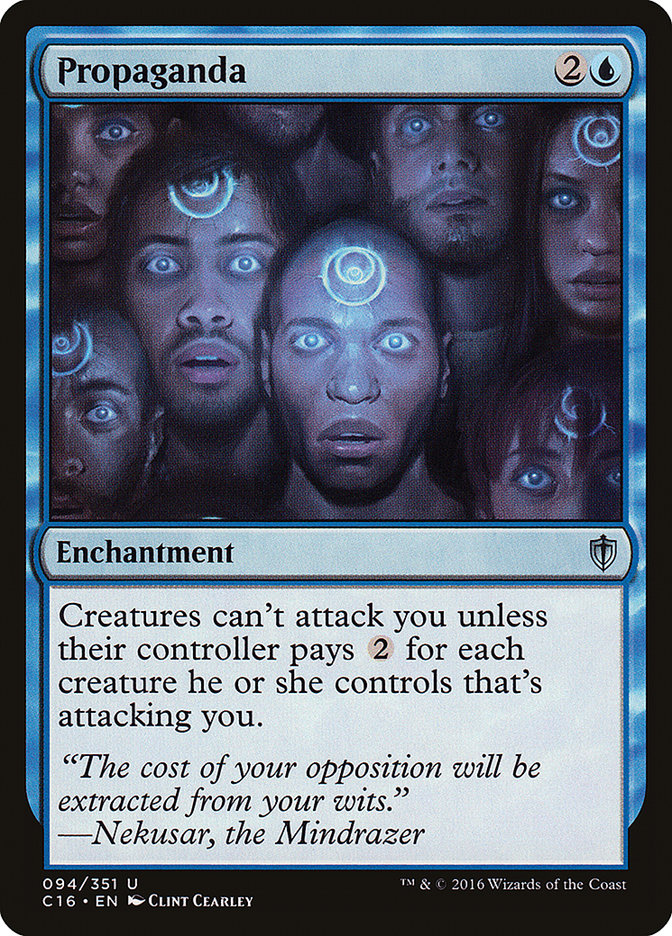
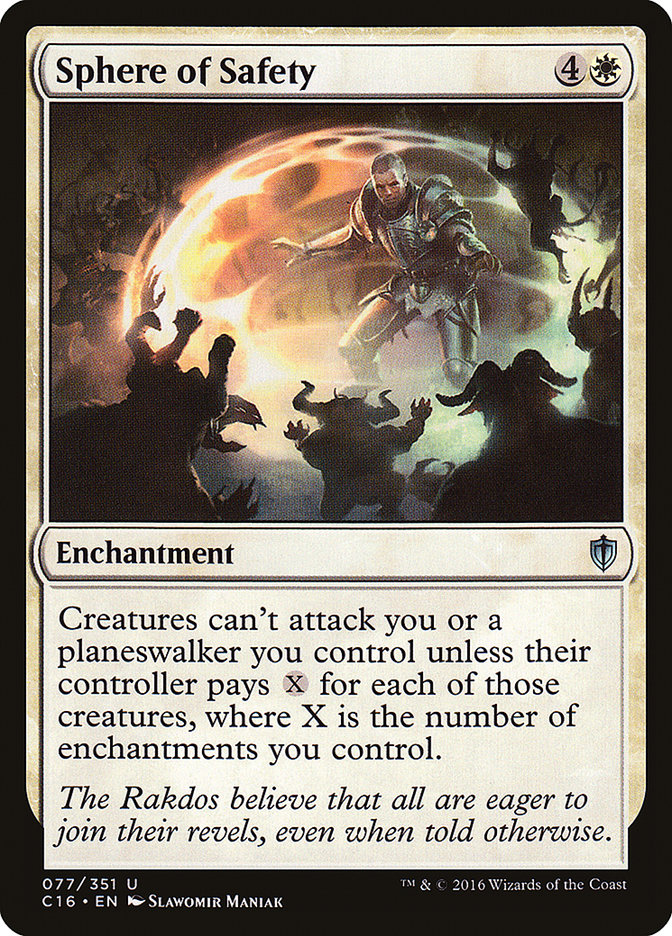
Propaganda and Sphere of Safety are perfect example. They need to pay the tax per attacker, small tax is enough to redirect the combat toward other players. That buys you time, which is exactly what a Y’shtola decks wants.
Draw Engine
You want to keeping your hand full by draw engine ensures you never run out of spells to answers threats.
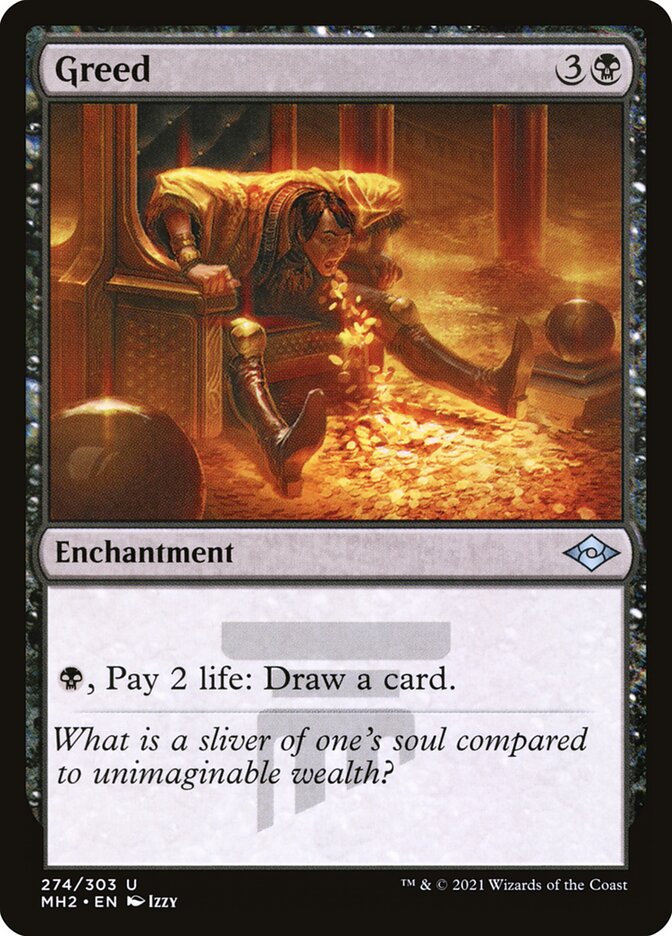
You can active Greed at instance speed, which is very good if you need 2 more life to trigger Y’shola first ability, By paying 2 more life with Greed, you can draw 2 cards.
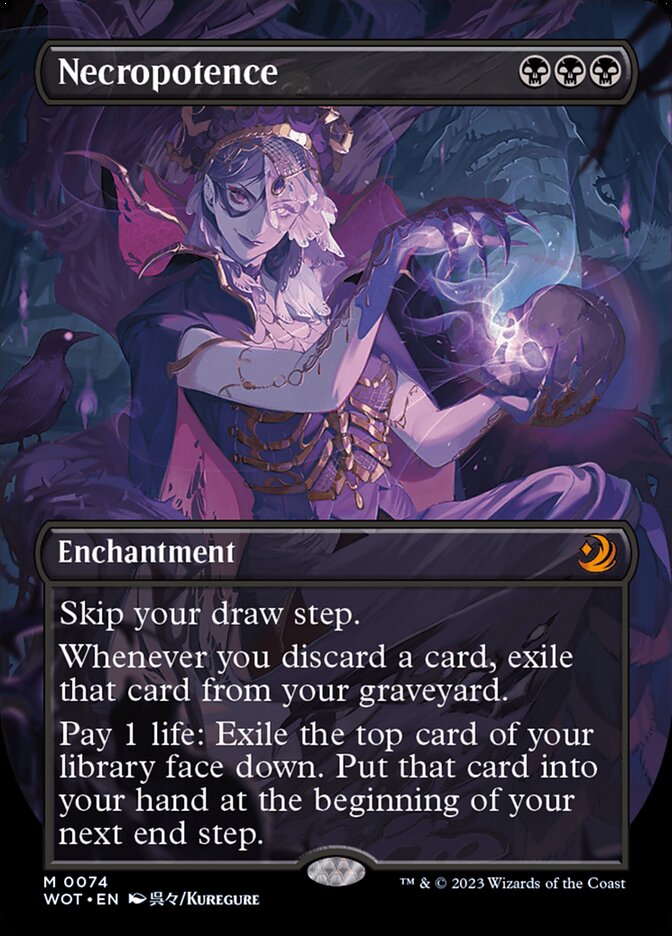
Necropotence is a very powerful card, but it doesn’t line up particularly with Y’shtola wants to do. Yes, it does trigger Y’shtola second ability when you cast it, but after that, the card starts to pull in a different direction. Not only it skips your draw phase, but cards you pay life for only reach your hand at your end step. Timing is important in deck like this, Y’shtola wants you to play steady, controlled game where your cards keep the engine moving. None of this makes Necropotence a bad card, it’s still incredibly powerful card, but not in Y’shtola which cares about spell timing and mana value.
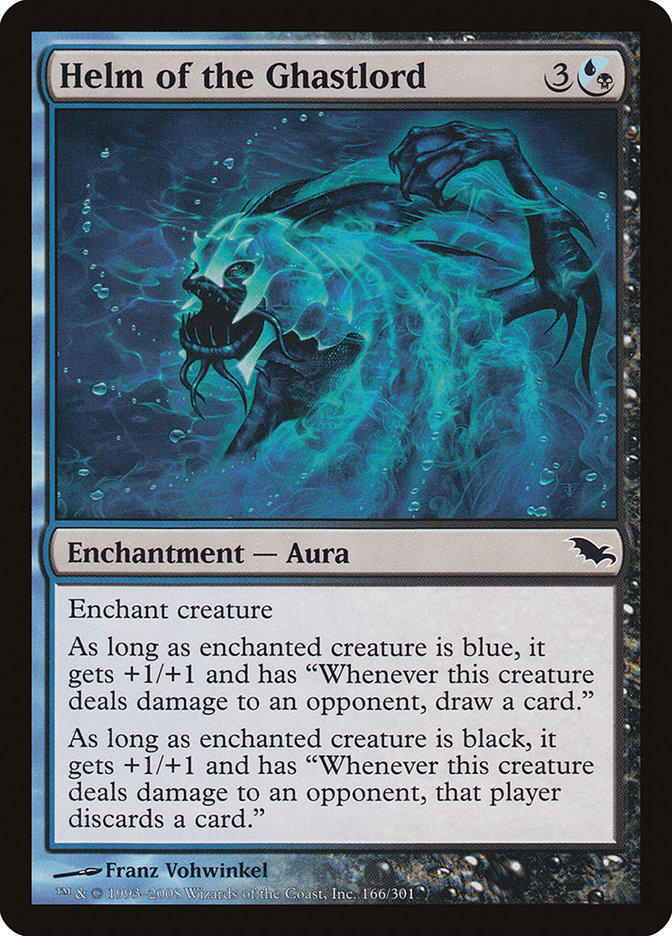
Cards like Curiosity and Helm of the Ghastlord will help you in your combat. One of my favorite creatures to pair with them is Baleful Strix. It has flying and deathtouch, which is difficult for opponents to block. Once you enchant it with Curiosity or Helm of the Ghastlord, it can repeatedly connect and draw card every turn.
Spectral Sailor is low cast and with flash ability, you flash in right before your turn, then enchant with Curiosity. If you have extra mana(late game), you can activate his ability to draw more cards, yes CARDS, no tap is required as long as you have the mana to pay.
Don’t like the combat phase? No problem, you can simply enchant Curiosity or Helm of the Ghastlord on Y’shtola. Whenever you cast a noncreature spell with mana value 3 or greater, Y’shtola’s second ability trigger, dealing 2 damage to each opponent while you gain 2 life. With Curiosity attached, it allows you to draw 3 cards, if you enchant with Helm of the Ghastlord, you draw 3 more cards, and each opponent discards a card.
Sea Gate Restoration is another strong card. It can functions as land at your early game if you desperate need it. You can be powerful refill spell that can draw a huge number of cards and no maximum hand size is very important in this deck.
Speaking of no maximum hand size, it’s also worth including few cards like Reliquary Tower and Thought Vessel. Make sure you don’t have to discard all the value you worked so hard to generate.
Life Drain / Incremental Damage
Life is a resource. Yes, Esper have a lot of spells which ask you to pay life for some “benefits”. Y’shtola can use life as payment into incremental advantage and pressure over time. Small damage engines, passive life drain, or effects that ping the table help guarantee that you’ll keep drawing cards even if Y’shtola’s second ability won’t trigger every turn.
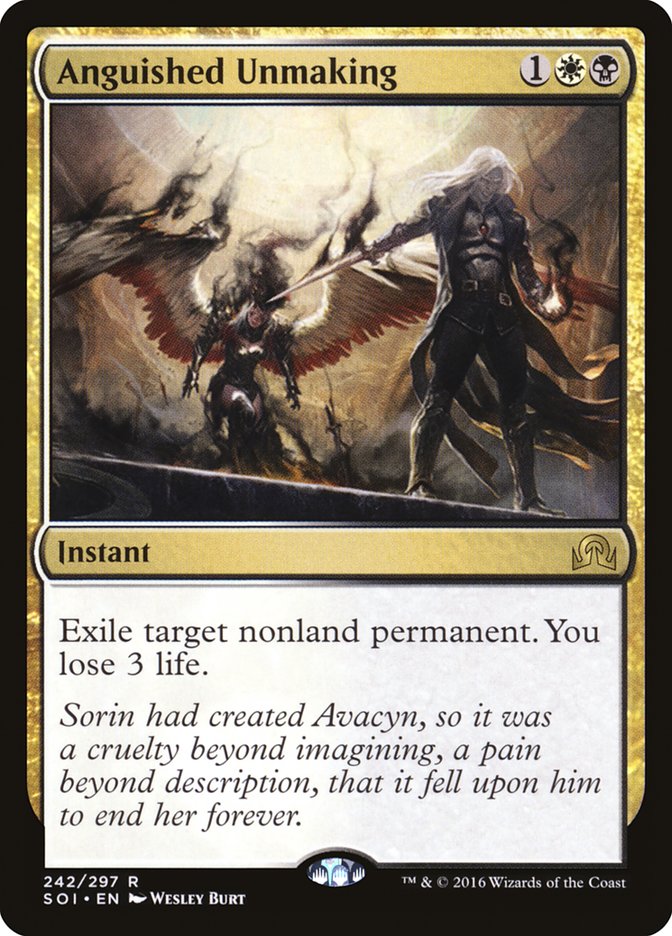
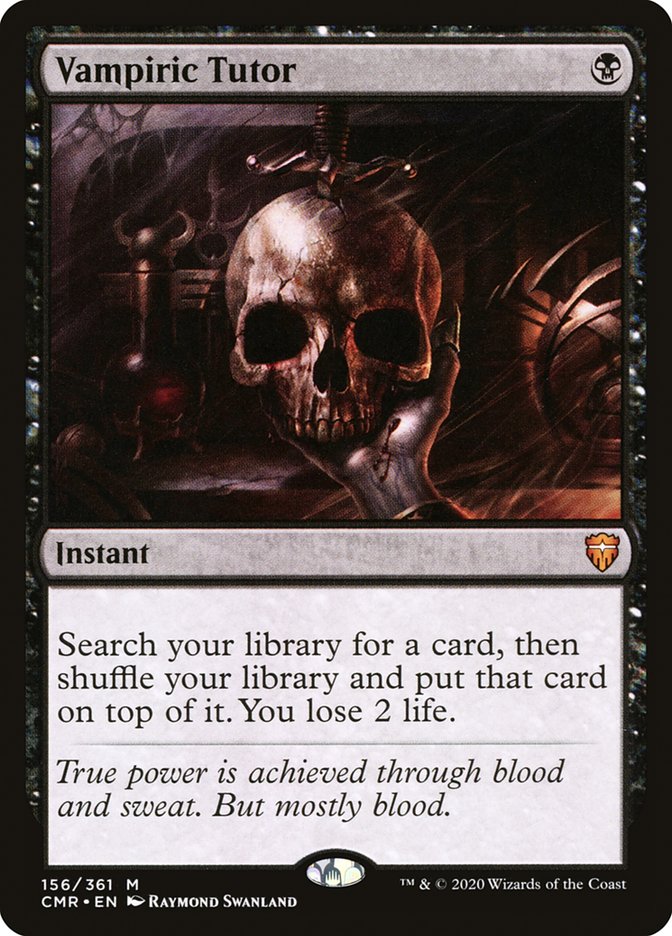
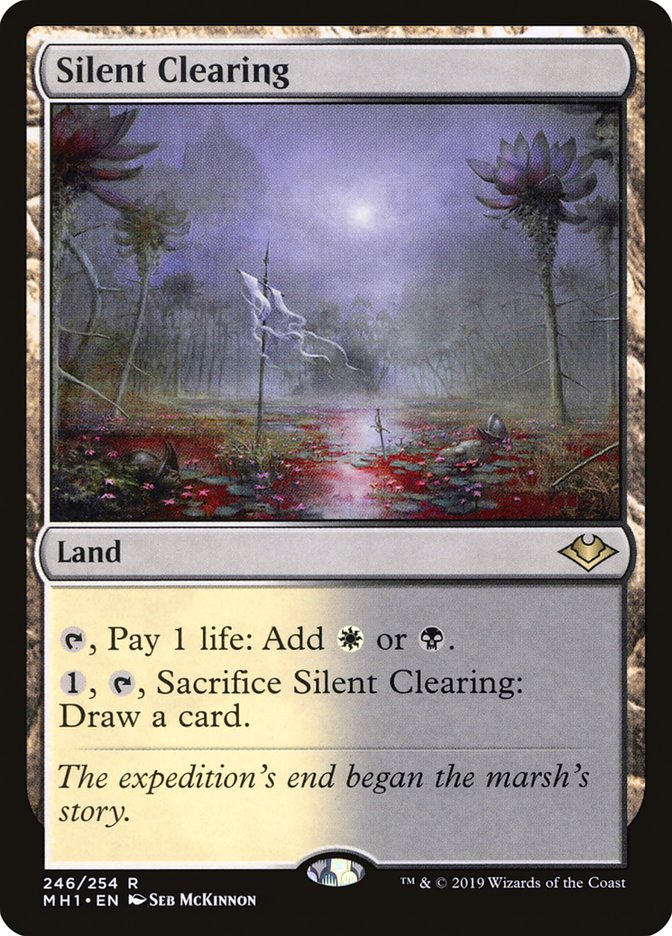
Cards like Auguished Unmaking and Vampiric Tutor are perfect examples. They are already staples in many commander decks because how efficient they are. With Y’shtola, you have higher chance to activate her first ability to draw 1 more card. Mana base cards like Silent Clearing, Caves of Koilos and Talisman of Dominance are perfect to help accelerate your game plan if you need that tiny life lost to reach 4 life per turn.
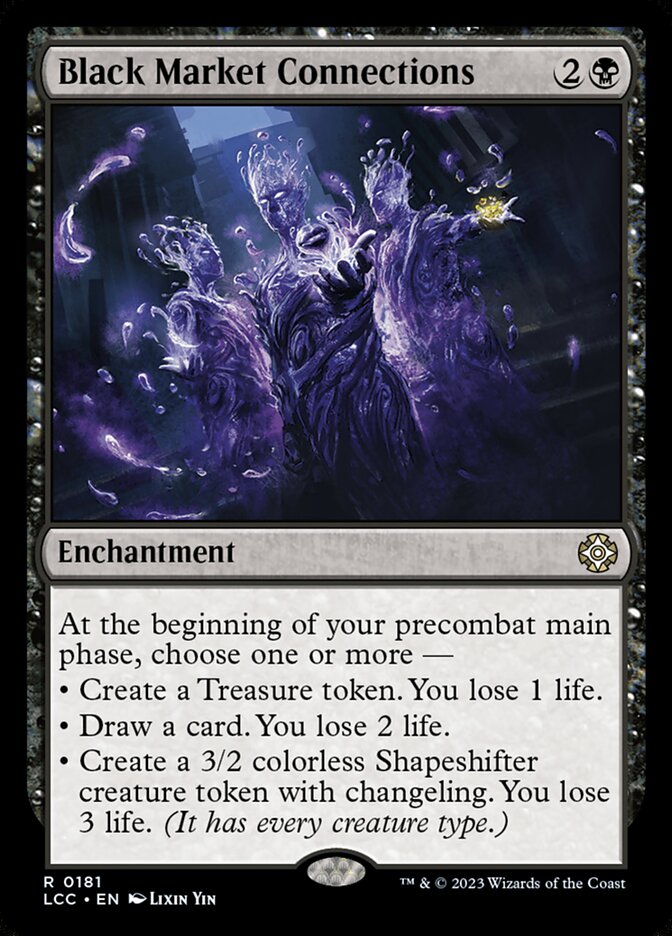
Black market Connections gives us several ways to convert life into any resources every turn, either you need treasure, card, or even a creatures. It fulfil our… well, wishes.
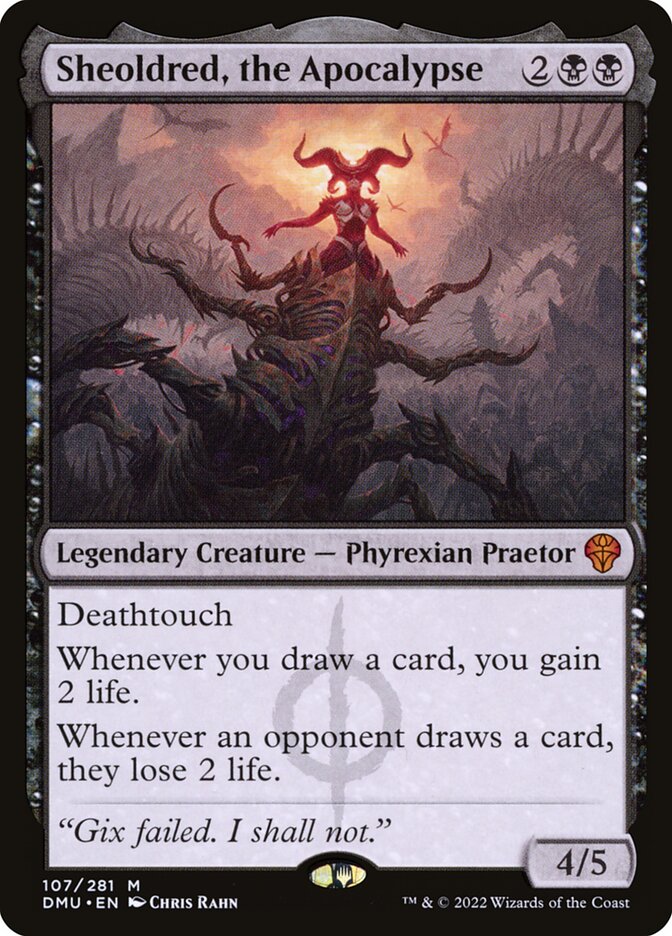
Sheoldred, the Apocalypse is very strong creature card in a lot of decks, even the deck is not a loss life synergy. What makes Sheoldred strong is that it checks every card drawn by every player, not just the first one each turn, or limited to your own turn only, which means she punish large draw spells and wheel effects.
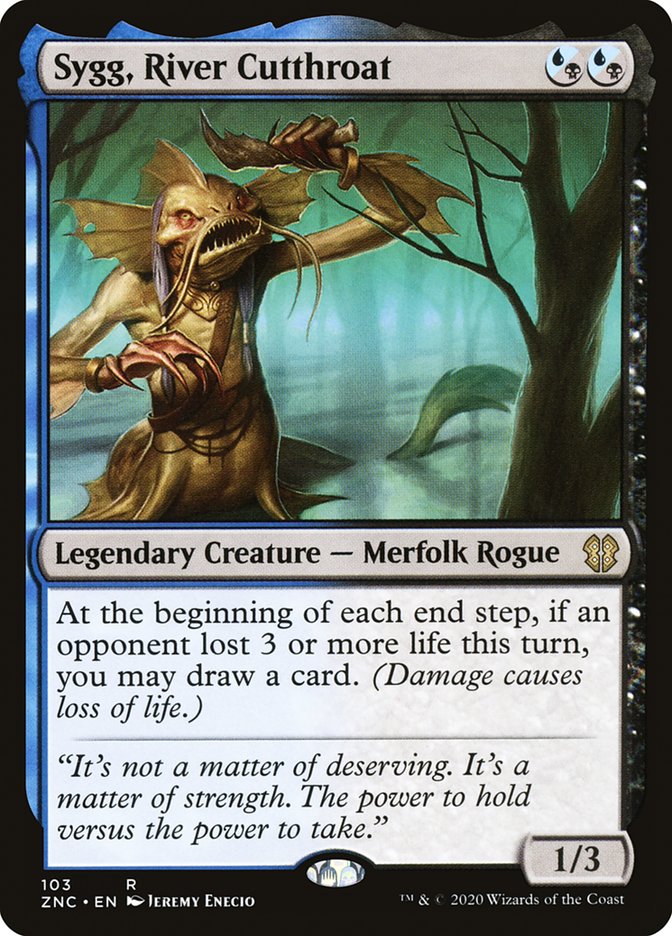
Sygg, River Cutthroat feels like half of Y’shtola, but work equally strong, turning a small chip damage into value. He fit perfectly in this deck as we already have tons cards which can synergy with his ability, no extra setup required.
Interaction Spells
Now, let’s talks about board-wipe spells. Y’shtola is not an aggro deck, we need to slow the game down if everything clicking too fast. Don’t focusing on too many small spells, you need some big impactful spells when you fall behind or still trying to build your plan.
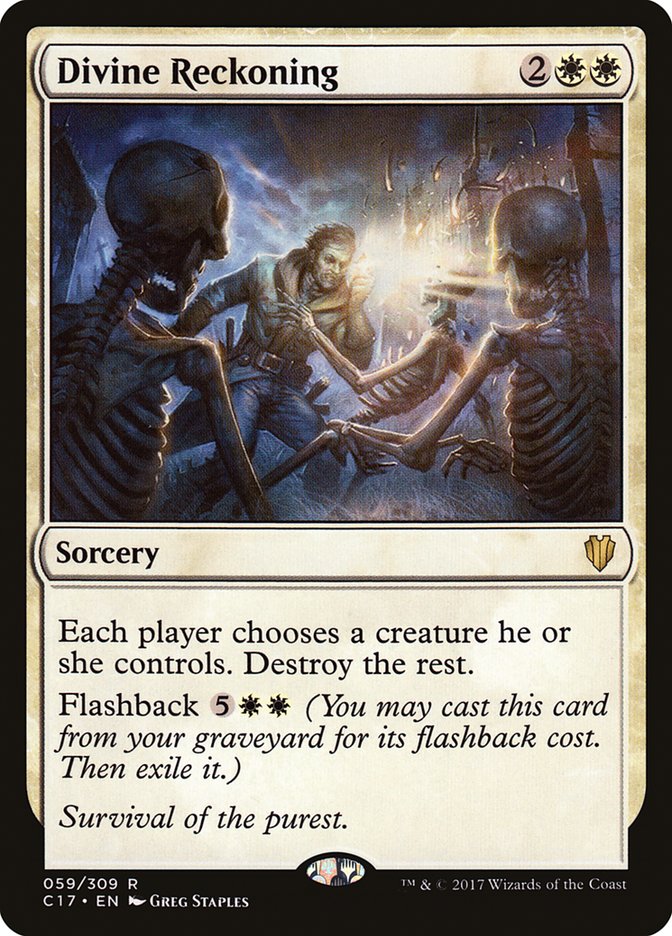
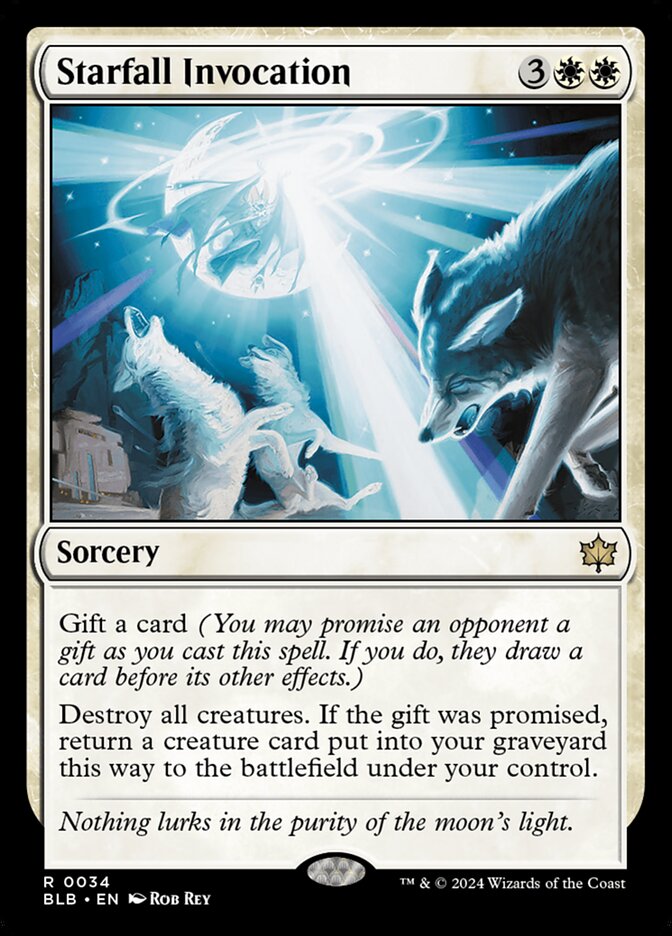
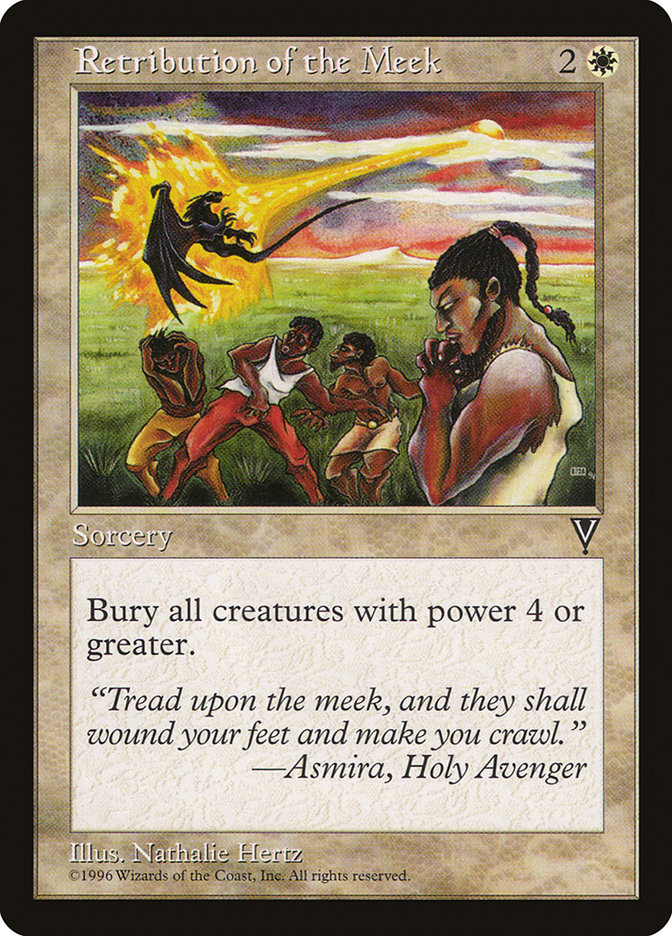
Sometime you need a soft reset by keeping the most important threat under your control, and remove most of opponent’s threats, Divine Reckoning is perfect here. It hurts creature-heavy decks far more than it hurts you. Starfall Invocation, Retribution of the Meek is another card which does the same things, with a bit differently.
Cyclonic Rift is the classic all-star here. it can functions as a simple one-for-one to answer early threat, but in the late game it force everyone to pick up their stuff while you keep everything. That one sided reset is what makes it brutal here.
Build mistakes
1. Don’t make things complicated
There a lot of good sorceries to choose from, but try to make things too fancy by forcing into instant speed is not always worth it. For example, if you try to cast Risky Shortcut on an opponent’s turn, the setup usuall gets much heavier than it looks. You start to needing more tutors, more cards, more mana, and sometime a protection just to make sure your line work safely. The payoff is not always better than just cast it naturally.
2. Too Many Small Spells
One of the easiest traps is building Y’shtola like spellslinger, a lot of small but value spells. You end up casting a lot of spell, but get very little value from your commander. We need more 3-4 mana noncreature spells so that each cast can triggers her, keeping your synergy and putting the pressure on the table.
3. Overrating the lifegain
Lifegain is nice, but not the reason Y’shtola is scary, she is not a lifegain commander like Oloro, Ageless Ascetic. If you build her too much like a lifegain deck, you will end up with a pile of cards that gain life well, but not really push the game forward. Lifegain is more like a bonus that helps you to stay in the game, while your real game plan does the heavy lifting.
4. Building Too Creature-Heavy
It’s tempting to fill the deck with strong creatures in Esper colors, but Y’shtola really shines in a spell-heavy shell. Creatures don’t trigger her main ability, so every creature slot you add slightly reduces how often she drains the table. A few key creatures for utility are fine, but the deck should primarily be built around noncreature spells.
5. Not Protecting the Commander
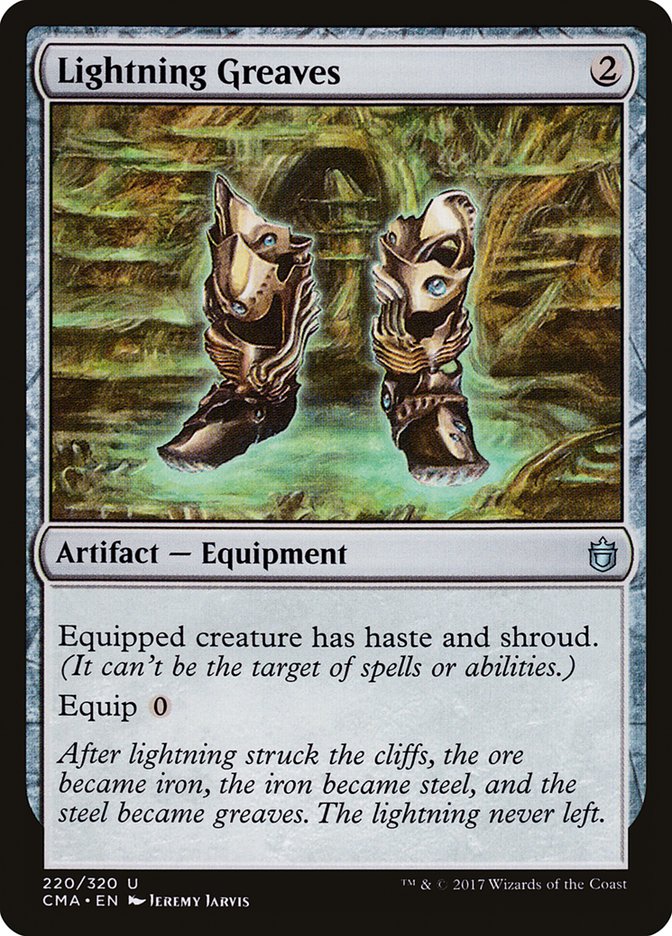
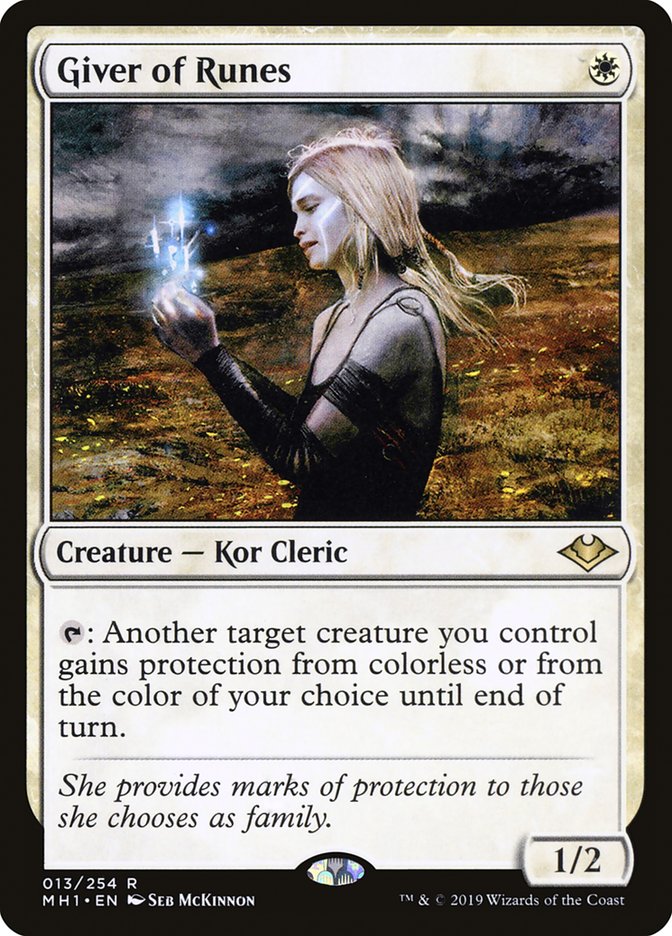
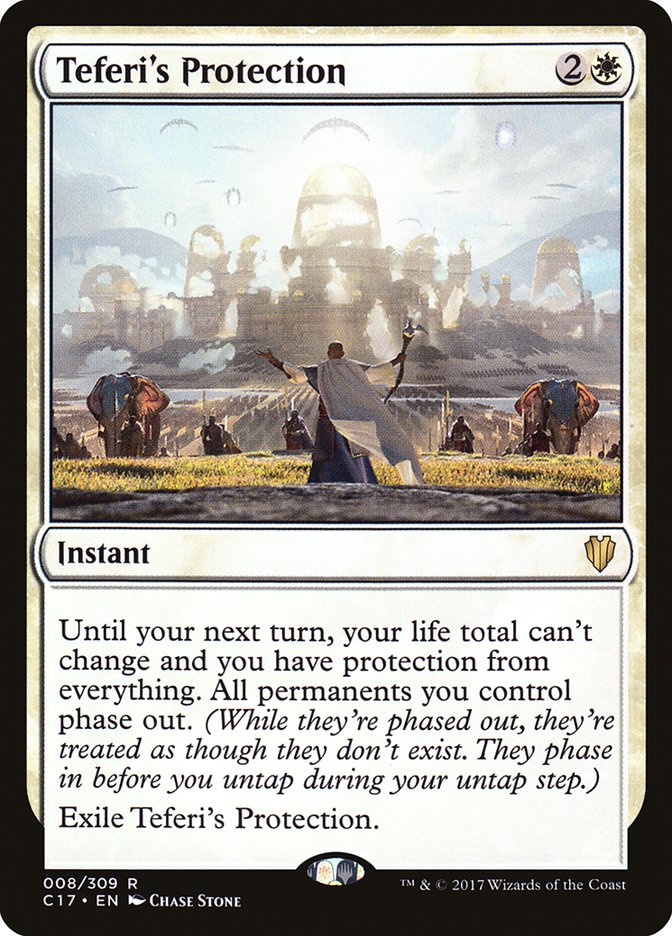
Y’shtola can generate so much value, and eventually attract removal, leaving her unprotected is a very common mistake. You need to bring enough protection so that Y’shtola can survive long enough to matter.
Equipment like Lightning Greaves is a good staring point, it can keeps Y’shtola from targeted removal all the times. Creatures like Giver of Runes and Mother of Runes are solid protection too, however, it won’t trigger Y’shtola’s ability. If you want protection that fits more with Y’shtola, you want noncreature spell like Teferi’s Protection or Flawless Maneuver.
Final Thoughts
Y’shtola is a pretty commander dependency deck, in most game, you want to get her out as early as you can. Once she is out, the deck really starts to grow when you follow up with your 3 CMC noncreature spells and keep some protection ready to make sure she stays around.
Y’shtola has more depth than she first appears. Once you stop pulling her in too many directions and try to make er do everything, the deck starts to feel smooth and consistent.
Y’shtola may not look like the scariest commander at first, but the longer she stays on board, the game starts to shift in your favor.
The answer was always there.
– draw9;